The Bocage & the End of the Battle
Beyond the beaches, the summer of 1944 in the bocage: bitterly contested Hill 112, Ardenne Abbey, the fighting at Tilly-sur-Seulles and the outcome at the Montormel memorial above the corridor of death.
Suggested timings
Indicative timings for a 9:00am start by car, lunch break included. Adjust them to each site's opening hours.
- Drive12 min • 12 km
- Drive18 min • 18 km
- Drive1h24 • 86 kmLunch break • 60 min
- 1
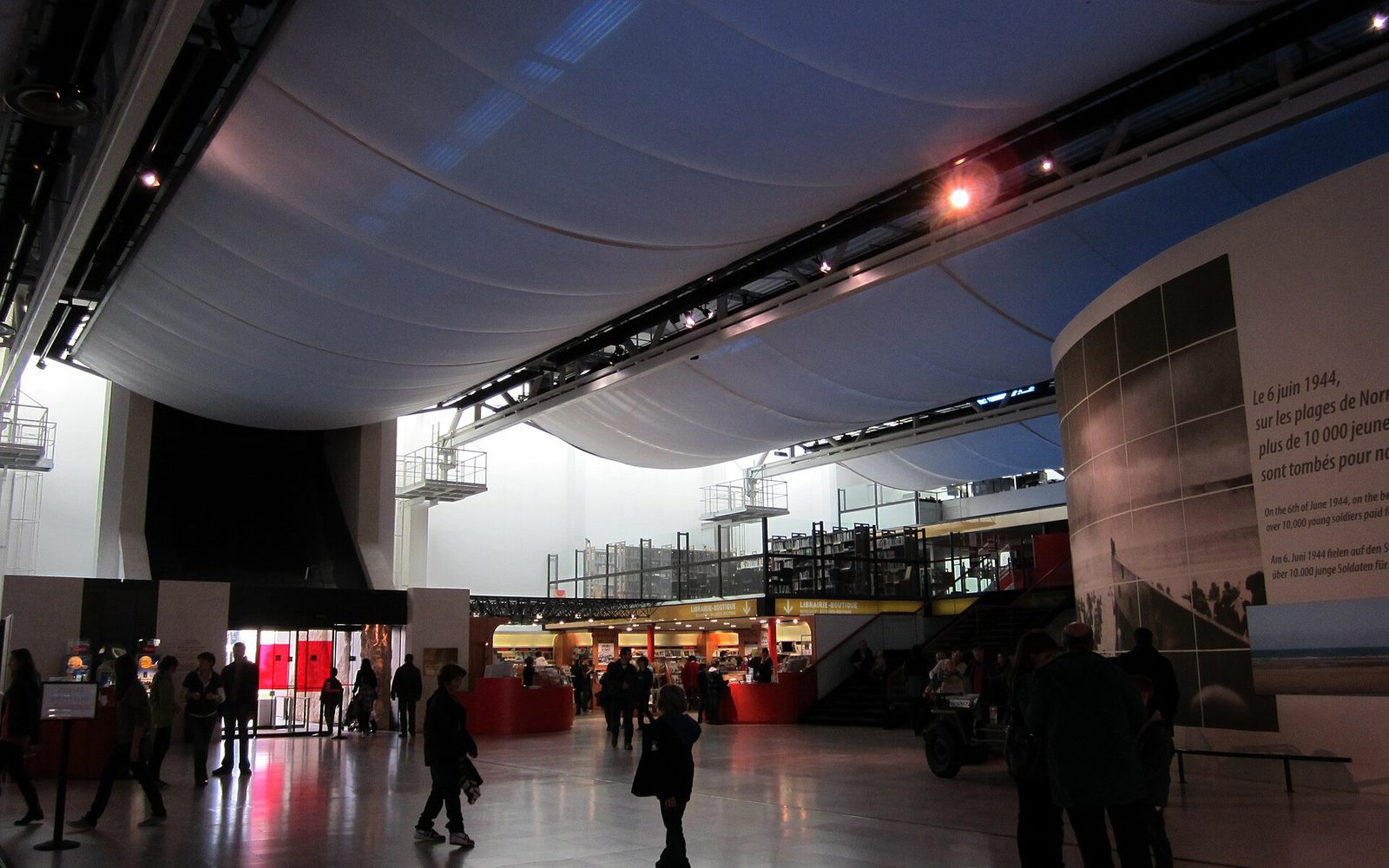 Stop 01 • Saint-Germain-la-Blanche-Herbe09:00 – 09:40Visit 40 min
Ardenne Abbey
The garden where twenty Canadian prisoners were murdered in June 1944.
Visit → - 2
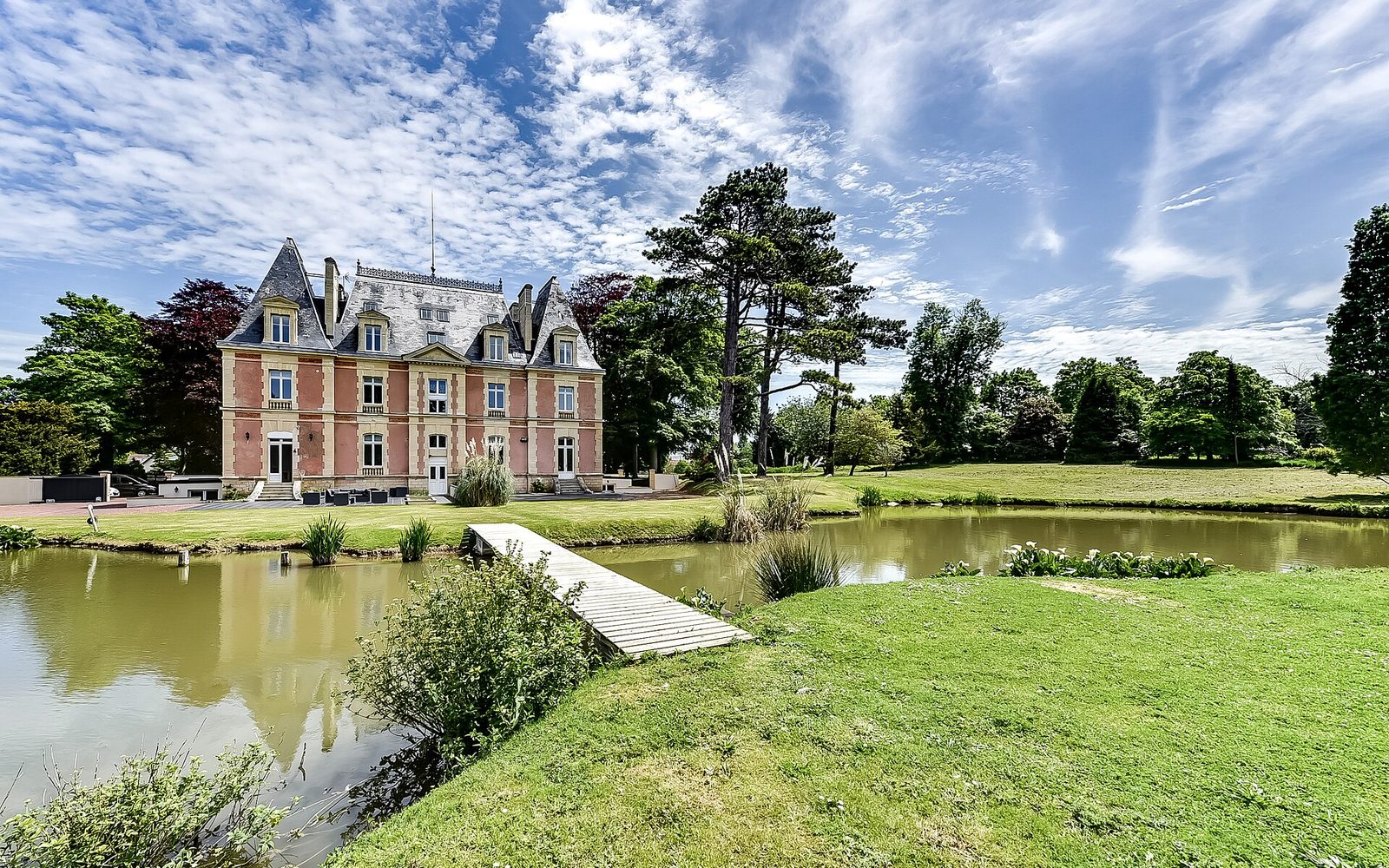 Stop 02 • Esquay-Notre-Dame09:52 – 10:32Visit 40 minDrive 12 min
Hill 112
“Who holds Hill 112 holds Normandy” — the British ordeal of July 1944.
Visit → - 3
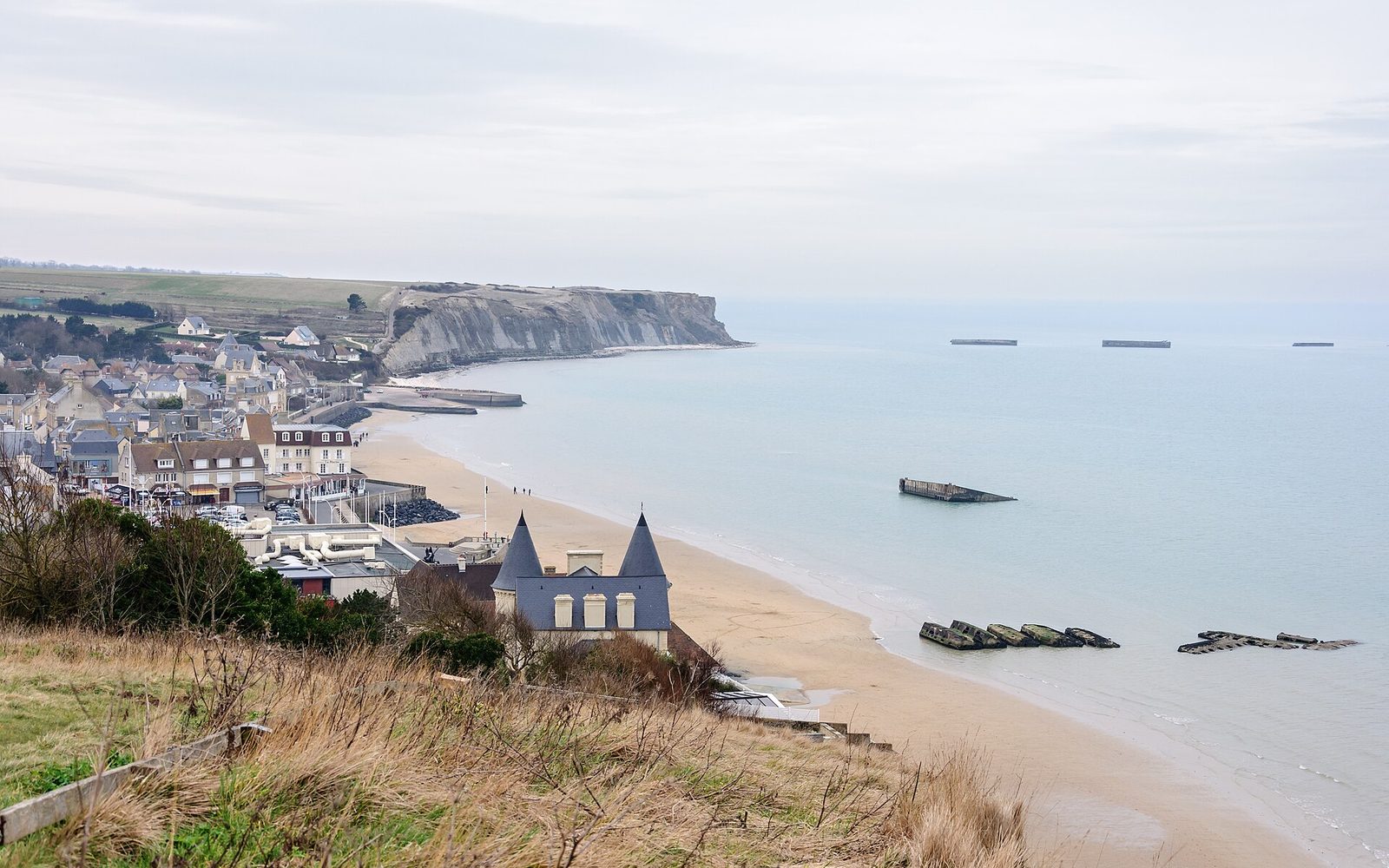 Stop 03 • Tilly-sur-Seulles10:50 – 11:50Visit 1hDrive 18 min
Tilly-sur-Seulles, Martyred Village
Captured and lost twenty-three times between 7 and 19 June 1944.
Visit → - 4Stop 04 • Montormel14:14 – 14:54Visit 40 minDrive 1h24
Montormel Memorial — Falaise Pocket
Hill 262, the Polish stronghold that sealed the Falaise Pocket in August 1944.
Visit →
Practical tips
Set off around 9:00am: most sites open between 9:00 and 10:00 and crowds are still light early on.
Book museums and guided tours online, especially from June to September and during school holidays.
Walking shoes, a windproof layer and water: much of the route is outdoors and often exposed.
A car is essential between the beaches: public transport is scarce and sites lie 15 to 40 km apart.
Cemeteries and memorials are places of remembrance: dress respectfully, keep quiet, and do not picnic on site.
Check tide times before walking onto Omaha or Utah: at low tide the foreshore extends several hundred metres.
Plan lunch in Sainte-Mère-Église, Arromanches or Port-en-Bessin; there are few options between remote sites.